
Managing air movement in an industrial facility requires coordination between the building layout, production activities, environmental conditions, and mechanical equipment. Choosing an Industrial Ventilation Equipment Supplier involves evaluating how well a proposed solution fits the facility rather than focusing on individual machines alone. Ventilation equipment may need to remove contaminated air, reduce heat accumulation, improve circulation, or support a specialized production process, so understanding the working environment is essential before selecting a suitable system.
Material selection begins with the conditions surrounding the equipment. Ventilation housings and support structures are often manufactured from metals chosen for their strength, fabrication characteristics, and suitability for the installation environment. Steel can provide structural stability, while stainless steel may be considered where moisture or corrosive exposure creates additional concerns. Aluminum can be useful when lighter construction is preferred. The final choice should account for environmental exposure, cleaning practices, mechanical loads, and the expected maintenance approach.
Materials used in internal components also influence equipment reliability. Impellers, shafts, bearings, seals, and protective elements each perform different functions and may face different operating conditions. Dust, moisture, chemical exposure, and temperature can affect these components in different ways. A suitable equipment design considers the compatibility of the complete assembly rather than selecting each material independently. Protective finishes may help in particular environments, but they should be appropriate for the actual exposure and maintenance requirements.
A useful selection process starts with a clear description of the ventilation challenge. Buyers should identify the source of heat, fumes, dust, humidity, or other airborne concerns, together with the areas where air needs to enter or leave the building. Existing ducts, wall openings, ceiling height, machinery placement, and available installation space can influence the choice of equipment. Providing a supplier with an accurate site layout and an explanation of daily operations helps establish a more realistic basis for equipment selection.
Air distribution deserves attention alongside extraction. Removing air from one area without planning replacement air can affect pressure relationships and circulation throughout a building. Poorly positioned supply and exhaust points may allow unwanted air to travel through occupied spaces instead of moving toward the intended outlet. Ventilation planning should therefore consider air direction, intake locations, exhaust discharge, and the relationship between different working zones. This system-level approach is especially useful in facilities with several production processes operating simultaneously.
Control technology can help ventilation equipment respond to changing conditions. Depending on the system, operators may use manual controls, variable-speed drives, sensors, timers, or building management systems. These arrangements can coordinate fan operation with production schedules or environmental monitoring. However, additional controls should serve a clear operational purpose. Equipment designers and facility managers need to consider how controls will be operated, maintained, and integrated with existing electrical and automation infrastructure.
Energy use is another practical consideration. Airflow resistance, duct configuration, filter condition, and equipment selection all influence how much work a ventilation system must perform. Restrictive duct routes or neglected filters can increase resistance and affect circulation. Well-planned layouts, appropriate equipment matching, and routine inspection can help avoid unnecessary operating demands. Buyers should consider the complete installation rather than assuming that a fan's individual characteristics alone determine the system's overall effectiveness.
The working environment also affects safety requirements. Industrial facilities may contain combustible dust, flammable vapors, moisture, or other conditions that require specialized equipment. Where hazardous atmospheres are possible, ventilation equipment must be selected according to the applicable area classification, relevant regulations, and documented equipment certification. Explosion-protection suitability cannot be determined from a product's appearance or general description. Facility managers should establish the site requirements with qualified professionals before finalizing equipment choices.
User experience depends on how ventilation equipment interacts with everyday work. Noise, vibration, airflow direction, access to controls, and the location of service points can affect the working environment. Air should be directed in a way that supports the intended process without creating unnecessary discomfort or disturbing sensitive operations. Equipment placement should also leave practical access for inspection and repair. These considerations help connect ventilation engineering with the needs of operators and maintenance personnel.
Maintenance planning can influence the equipment's useful service life. Fans, grilles, filters, ducts, bearings, and electrical connections may require periodic inspection depending on the design and operating conditions. Accessible service panels and clearly arranged components can make routine work more manageable. Facility teams should understand how to identify accumulated dust, unusual vibration, declining airflow, or other changes that may indicate a maintenance need. A suitable service plan should follow the manufacturer's instructions and relevant workplace procedures.
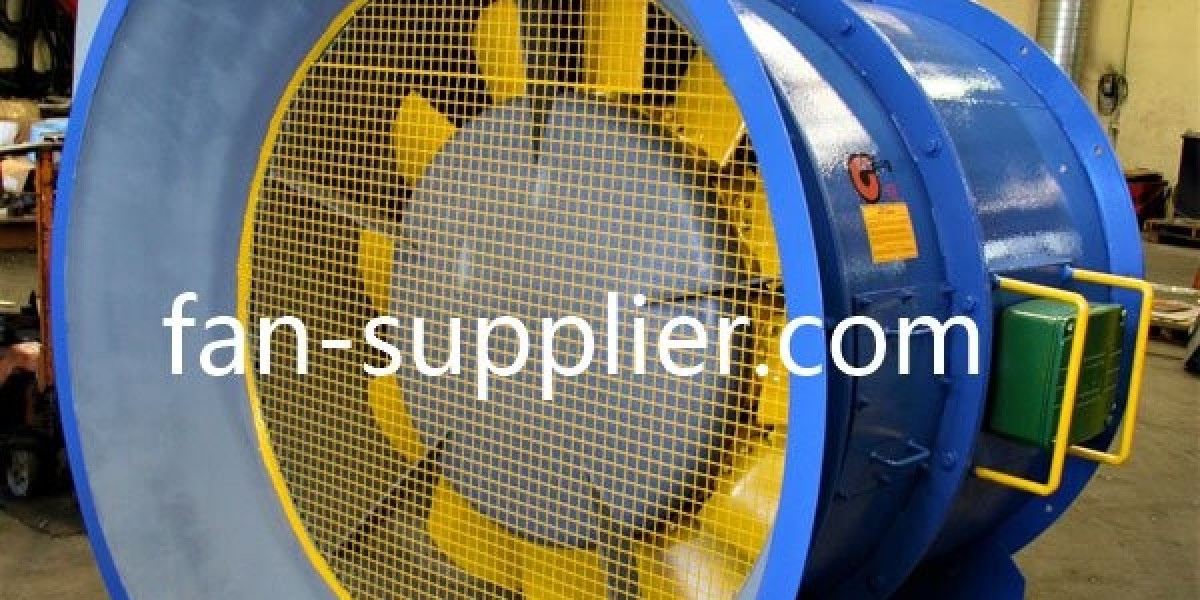
Appearance and physical design matter when ventilation equipment must integrate with an existing facility. Compact housings may be useful where space is limited, while particular mounting arrangements can simplify installation around walls, roofs, ducts, or machinery. Neatly organized cables, protective guards, and accessible connection points can support a more orderly equipment layout. For customized installations, these details should be considered alongside structural support, airflow direction, safety access, and future servicing needs.
Zhejiang Shenli Explosion proof Electromechanical Co., Ltd. serves industrial fan and explosion-proof electromechanical equipment applications. When discussing a ventilation project with the company, businesses can clarify the site environment, air movement objectives, installation constraints, control preferences, protection requirements, and maintenance expectations. This information helps frame the equipment selection process around actual operating conditions. Further information about the company's products and related capabilities is available at https://www.fan-supplier.com