
Outdoor living spaces are used for dining, relaxation, entertainment, hospitality, and recreational activities, making effective shade an important part of many outdoor layouts. When planning these environments, Outdoor Shade Products can provide flexible coverage while supporting the practical and visual requirements of patios, gardens, terraces, resorts, restaurants, and residential properties. The appropriate solution depends on the size of the space, furniture arrangement, operating conditions, and intended frequency of use.
Different outdoor areas require different approaches to shade. A private garden may need a compact umbrella for a dining table, while a restaurant terrace may require several larger structures to accommodate customer seating. Hotels and resorts can have additional requirements for poolside areas, gardens, balconies, and outdoor dining zones. Understanding the purpose of the space before selecting a shade structure can help buyers choose a configuration that fits the actual application.
Canopy size is one of the most important considerations. The coverage area should correspond with the furniture and activities underneath it without creating unnecessary obstacles around the perimeter. Buyers should measure the available space and consider tables, chairs, walkways, doors, landscaping, and nearby buildings. For larger projects, several coordinated units may provide more flexibility than using a single oversized structure.
The canopy material also contributes to the overall suitability of a shade solution. Outdoor fabrics can differ in weight, texture, flexibility, color, and resistance to common environmental exposure. The selected material should match the intended application and expected maintenance conditions. Buyers should review manufacturer specifications and recommended care methods rather than choosing a fabric solely according to appearance.
Frame construction is another essential factor. Aluminum can be considered when lower weight and corrosion resistance are useful, while steel can provide a heavier structural option for certain designs. The frame should be evaluated together with the canopy, joints, operating mechanism, and support system because these components work together as a complete structure.
Support and installation requirements should also be considered during product selection. Freestanding bases can provide flexibility in some outdoor areas, while fixed support systems may be appropriate where a shade structure is intended to remain in a specific location. The support arrangement should correspond with the dimensions and structure of the canopy. Proper installation is important for maintaining stability during normal use.
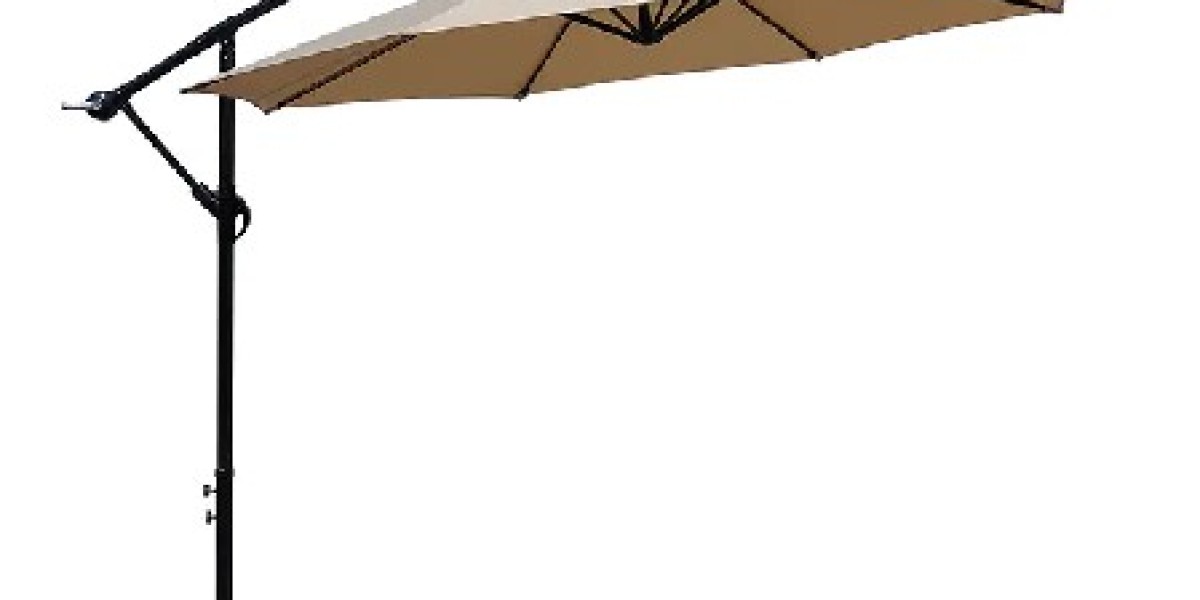
Different shade structures can also provide different levels of flexibility. Center-pole umbrellas may work well with individual tables, while cantilever designs can position the support structure beside the shaded area. Tent-style structures can provide broader covered spaces for particular applications. The choice should be based on how the outdoor area is used and how much unobstructed space is required underneath the canopy.
Operating mechanisms can influence everyday convenience. Some products are designed with straightforward manual opening systems, while others may incorporate crank mechanisms, tilting functions, or other adjustment features. Residential and commercial users should consider how frequently the structure will be opened, closed, repositioned, or stored. A suitable operating system can make routine use more convenient.
Environmental conditions are also relevant. Outdoor shade structures may experience sunlight, moisture, dust, pollen, and changing weather conditions. Buyers should understand the recommended operating environment of the product and follow suitable procedures for closing, securing, or storing the structure when conditions are unsuitable. Routine inspection can also help identify loose connections, damaged fabric, or other maintenance requirements.
Appearance can be particularly important in hospitality and commercial environments. Shade structures are often visible parts of a property's outdoor design, so canopy colors, frame finishes, proportions, and shapes can be coordinated with furniture, landscaping, flooring, and architecture. Consistent specifications can help create a unified appearance when several structures are installed across the same property.
For buyers sourcing Outdoor Shade Products, customization may provide additional flexibility when standard configurations do not meet a project's requirements. Depending on the manufacturer, options may include canopy dimensions, fabric colors, frame finishes, operating mechanisms, base configurations, and other structural details. Clear information about the installation area and intended use can help establish an appropriate configuration.
Wholesale buyers should also evaluate manufacturing consistency, material control, production capability, packaging, and communication. Projects involving multiple units may require matching dimensions, fabrics, colors, and structural components. Confirming specifications before production can help maintain consistency and simplify installation planning.
A practical outdoor shade solution should balance coverage, structure, materials, operation, support, appearance, and maintenance. By evaluating these factors according to the actual conditions of the space, buyers can develop outdoor areas that are comfortable and functional for residential, hospitality, and commercial use. Further information about outdoor umbrellas and related shade solutions is available at https://www.parasol-ht.com/.