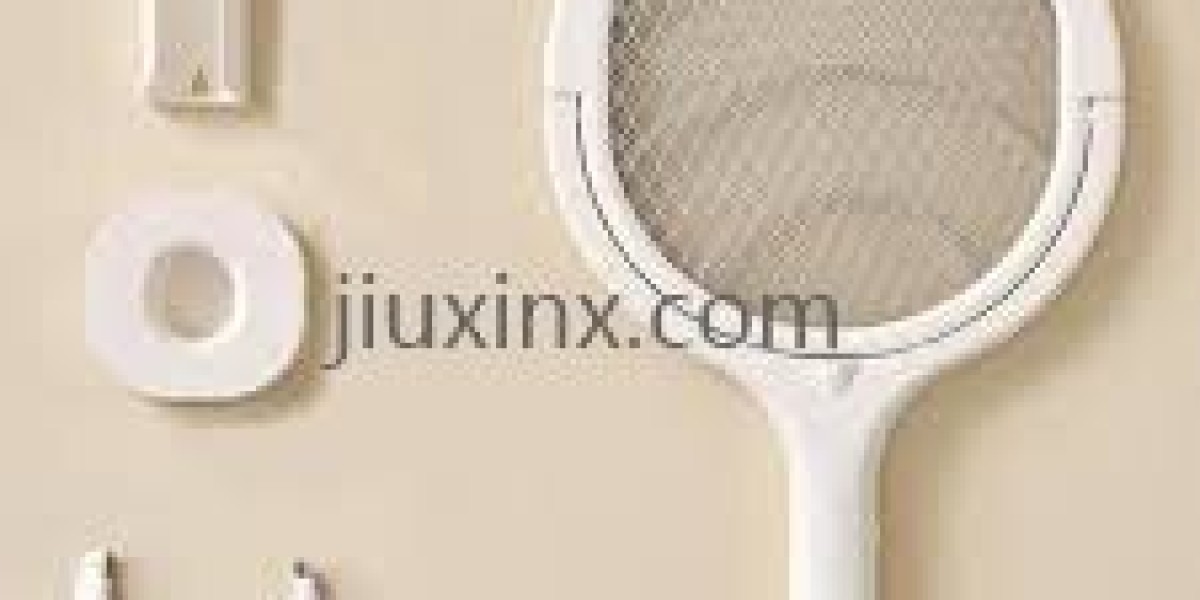

Household pest-control products increasingly focus on reusable operation, convenient handling, and practical electronic design, making a High Quality Mosquito Racket a useful solution for controlling mosquitoes, flies, and other small flying insects indoors. Compared with disposable chemical products, an electric racket uses a handheld structure and an electrically energized grid to provide a direct method of insect control. Its performance depends on the interaction between the outer housing, grid structure, electronic circuit, power system, and user-oriented design.
The racket frame is the main structural element supporting the active grid. It needs to remain sufficiently rigid during repeated handling while keeping the electrical components properly positioned. Molded plastic is commonly used for the frame and handle because it can provide electrical insulation, low weight, and efficient mass production. The geometry of the frame also affects how easily users can move the racket through the air, while the handle must provide a secure grip during repeated operation.
The electric grid requires careful construction because it is responsible for delivering the electrical output used for insect control. A multilayer arrangement can help position the energized section between protective layers, reducing the chance of unintended direct contact while maintaining openings through which insects can enter. The spacing and alignment of the mesh must remain consistent during assembly so that the finished product maintains its intended electrical and mechanical characteristics.
Electrical engineering is equally important. The internal circuit converts energy from the power source into the output required by the grid. Depending on the product architecture, this can involve a rechargeable battery, charging circuit, voltage conversion components, control switch, indicator, and supporting PCB. Proper insulation and component spacing are important because the grid operates at a significantly different electrical condition from the low-voltage battery section.
Power management directly affects convenience. Rechargeable models allow users to operate the device repeatedly without constantly replacing disposable batteries. A suitable charging circuit can regulate the charging process while the battery supplies power during operation. The charging port, battery compartment, PCB, and housing should be positioned so that they remain protected during normal handling. For manufacturers, this means battery integration should be considered during the initial structural design rather than added after the main housing has been completed.
The activation control should also be simple. A button or sliding switch allows users to control the electrical circuit according to the intended operating method. Clear activation feedback can help users understand whether the device is ready for operation. At the same time, the control mechanism should be positioned to reduce accidental activation when the racket is being stored or transported.
Durability depends on the interaction of several components rather than one material alone. The handle must resist repeated gripping, the frame needs to maintain its shape, and the mesh should remain securely fixed. Internal electronic components also require stable mounting so that normal movement does not cause unnecessary stress on solder joints or electrical connections. A well-designed enclosure can protect the PCB and battery from routine impacts while keeping the overall product lightweight.
Manufacturing consistency is particularly important for wholesale production. Yiwu Jiuxin Electric Co Ltd can coordinate plastic molding, grid preparation, electronic assembly, battery installation, enclosure fitting, and functional inspection as part of a controlled production process. Each stage can influence the finished product, so consistent component placement and assembly procedures help reduce variation between production batches.
Quality inspection should cover both appearance and functionality. Visual checks can identify housing defects, uneven assembly, loose mesh, scratches, or improper component positioning. Electrical testing can examine activation response, charging behavior, indicator operation, and grid functionality according to defined production specifications. Mechanical checks can also verify button movement, frame stability, and handle assembly.
Product ergonomics are another important consideration for everyday users. A balanced racket can be easier to maneuver when targeting insects in different areas of a room. A suitably shaped handle can improve grip stability, while a lightweight frame can reduce fatigue during longer periods of use. These details may seem minor, but they can strongly influence how practical an electronic household product feels during regular operation.
For international buyers, customization can provide additional opportunities. Housing colors, surface finishes, branding, packaging, control layouts, and charging configurations may be adapted according to market requirements, provided that the changes remain compatible with the product's electrical and structural design. OEM development therefore requires coordination between industrial design, electronic engineering, tooling, and quality management.
Safety considerations should remain central to product development. The energized grid should be protected by an appropriate outer structure, while charging and battery components should be integrated according to the requirements of the selected power system. Product instructions should also clearly explain proper operation, storage, cleaning, and charging practices so that users understand how to handle the device appropriately.
A well-engineered High Quality Mosquito Racket brings together durable construction, controlled electrical performance, practical ergonomics, and repeatable manufacturing into a compact household appliance. For wholesalers, distributors, and OEM buyers seeking reusable insect-control products, Yiwu Jiuxin Electric Co Ltd provides a product-development approach covering structure, electronics, customization, and production requirements, with more information available at https://www.jiuxinx.com.