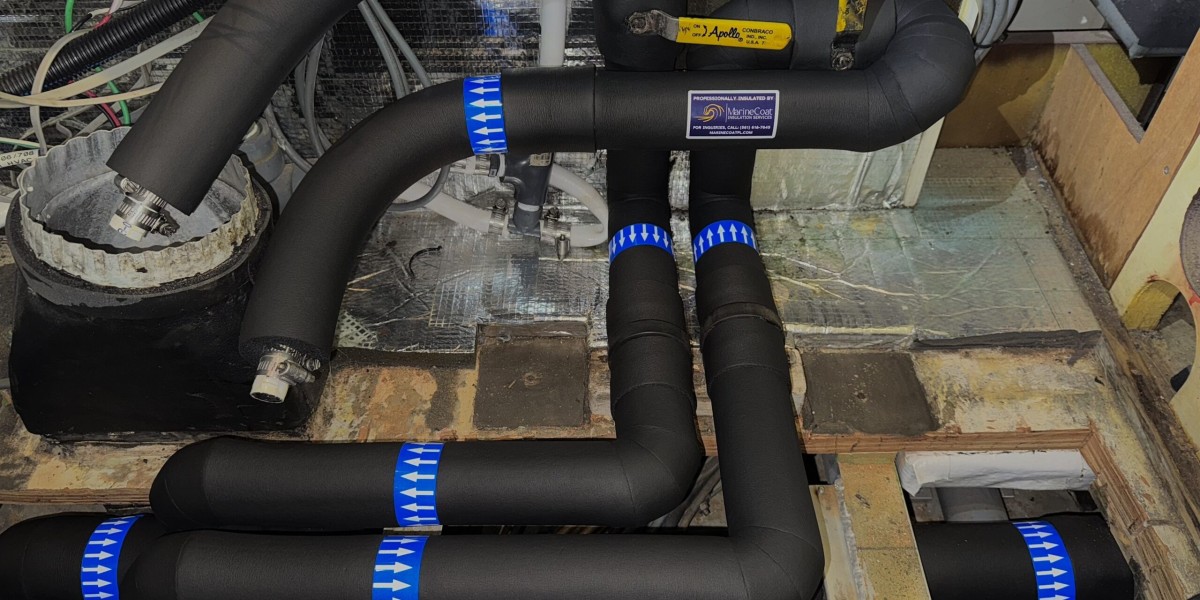

Engine compartments generate relentless acoustic energy that influences onboard comfort, mechanical reliability, and operational efficiency. Custom Marine soundproofing systems are engineered to address these demanding conditions by reducing unwanted vibration, airborne resonance, and structural transmission. Carefully selected Marine Noise Insulation materials withstand humidity, salt exposure, elevated temperatures, and continuous machinery operation while preserving long-term durability. Instead of relying on universal insulation products, vessel owners increasingly prefer tailored acoustic assemblies designed around engine configuration, compartment geometry, ventilation requirements, and regulatory expectations. These customized installations create quieter environments without compromising accessibility or thermal performance.
Why Engine Rooms Demand Specialized Acoustic Engineering
Marine propulsion spaces operate under environmental conditions unlike conventional industrial facilities. Powerful diesel engines, generators, hydraulic pumps, compressors, exhaust assemblies, and rotating equipment collectively produce overlapping sound frequencies that travel through steel, aluminum, and composite structures.
Conventional insulation products frequently deteriorate when exposed to moisture intrusion, fluctuating temperatures, lubricants, and saline conditions. Purpose-built acoustic engineering resolves these limitations through multilayer constructions that balance thermal resistance, vibration damping, and airborne sound absorption.
Custom planning also ensures that maintenance pathways remain unobstructed while preserving airflow necessary for machinery cooling.
Primary Sources of Engine Room Noise
Understanding acoustic generation allows engineers to determine the most effective treatment strategy.
Common contributors include:
- Diesel combustion pulses
- Generator vibration
- Exhaust resonance
- Gearbox harmonics
- Hydraulic equipment
- Cooling fans
- Structural panel vibration
- Pipeborne sound transmission
- Mechanical coupling oscillation
Each source behaves differently, making customized treatment significantly more effective than standardized insulation kits.
Components of Custom Acoustic Systems
Modern acoustic packages combine several complementary materials instead of depending upon a single barrier.
Acoustic Barrier Layers
Dense composite barriers block airborne sound before it reaches adjacent compartments.
These barriers often include:
- Mass-loaded vinyl composites
- High-density elastomer sheets
- Flexible acoustic membranes
Proper installation minimizes sound leakage through seams, penetrations, and mounting interfaces.
Absorptive Core Materials
Porous insulation captures reflected sound energy inside enclosed machinery spaces.
Frequently utilized materials include:
- Melamine foam
- Mineral wool
- Fiberglass acoustic blankets
- Closed-cell specialty foam
Strategically positioning absorptive materials reduces reverberation while enhancing overall Marine Noise Insulation performance throughout the compartment.
Vibration Isolation Systems
Mechanical vibration frequently transfers through structural members before becoming audible elsewhere aboard the vessel.
Isolation technologies include:
- Anti-vibration mounts
- Flexible couplings
- Isolation pads
- Floating equipment bases
- Resilient fastening assemblies
These components interrupt structural transmission pathways before vibration spreads throughout surrounding spaces.
Material Selection for Harsh Marine Conditions
Successful acoustic installations require materials capable of enduring aggressive operating environments.
Critical performance characteristics include:
- Corrosion resistance
- Moisture repellency
- Fire retardancy
- Chemical stability
- Temperature tolerance
- Low maintenance requirements
- Long service lifespan
Custom Marine soundproofing systems frequently integrate protective surface facings that resist abrasion while simplifying cleaning procedures during scheduled maintenance.
Fire Safety Considerations
Marine classification societies establish rigorous fire protection standards for insulation materials installed near propulsion equipment.
Appropriate products typically demonstrate:
- Low flame spread
- Minimal smoke generation
- Heat resistance
- Certified compliance documentation
Safety remains equally important alongside acoustic efficiency.
Advantages of Customized Design
Every vessel possesses unique structural characteristics, machinery layouts, operational profiles, and maintenance requirements.
Custom engineering delivers measurable advantages compared with universal insulation products.
Key benefits include:
- Greater acoustic attenuation
- Improved passenger comfort
- Reduced operator fatigue
- Enhanced communication
- Lower structural vibration
- Increased equipment longevity
- Better onboard working conditions
Well-designed Marine Noise Insulation contributes to operational efficiency by limiting excessive vibration that may accelerate wear on surrounding components.
Precision Measurement Before Installation
Professional assessments generally include:
- Frequency spectrum analysis
- Decibel measurement
- Thermal evaluation
- Structural vibration mapping
- Airflow assessment
Collected data guides insulation thickness, barrier placement, and fastening methods for maximum effectiveness.
Installation Practices That Improve Results
Accurate installation influences performance as much as material quality.
Experienced technicians carefully prepare compartment surfaces before fitting insulation components.
Recommended practices include:
- Cleaning contaminated surfaces
- Repairing corrosion
- Sealing panel joints
- Maintaining ventilation clearances
- Protecting service access points
- Securing mechanical fasteners correctly
Attention to detail prevents premature deterioration while preserving designed acoustic performance.
Sealing Acoustic Gaps
Even premium insulation loses effectiveness when installation leaves exposed openings.
Potential leakage points include:
- Cable penetrations
- Pipe passages
- Inspection doors
- Ventilation interfaces
- Structural joints
Proper sealing significantly enhances Marine soundproofing effectiveness by preventing unwanted sound escape.
Balancing Thermal and Acoustic Performance
Engine rooms require efficient heat management alongside sound reduction.
Custom insulation packages therefore combine thermal resistance with acoustic absorption rather than prioritizing only one objective.
Proper engineering ensures:
- Stable machinery temperatures
- Efficient ventilation
- Reduced condensation
- Comfortable adjacent spaces
- Reliable equipment operation
Achieving this balance supports both machinery longevity and onboard habitability.
Long-Term Maintenance
Routine inspections help preserve insulation effectiveness.
Maintenance recommendations include:
- Checking adhesive integrity
- Inspecting protective facings
- Replacing damaged panels
- Cleaning accumulated contaminants
- Verifying vibration mounts
- Monitoring moisture intrusion
Preventive servicing minimizes costly replacements while extending system lifespan.
Selecting the Right Solution Provider
Successful projects depend on experienced marine acoustic specialists capable of evaluating vessel-specific requirements.
Important considerations include:
- Marine engineering expertise
- Acoustic analysis capability
- Certified materials
- Custom fabrication services
- Installation experience
- Regulatory familiarity
- After-sales technical support
Providers offering comprehensive design, manufacturing, and installation services generally produce more reliable outcomes than suppliers offering only insulation products.
Future Trends in Marine Acoustic Technology
Advancements continue improving vessel acoustic performance through innovative materials and engineering techniques.
Emerging developments include:
- Lightweight composite barriers
- Nano-engineered absorptive materials
- Sustainable insulation fibers
- Smart vibration monitoring
- Digital acoustic simulation
- Modular insulation assemblies
These innovations allow increasingly precise customization while reducing installation complexity and lifecycle costs.
Conclusion
Engine room acoustics directly influence vessel comfort, crew productivity, equipment durability, and operational efficiency. Investing in customized Marine Noise Insulation enables owners to address airborne sound, structural vibration, and reverberation through engineered solutions tailored to individual vessel layouts. By combining certified materials, precision installation, and advanced Marine soundproofing techniques, marine operators achieve quieter machinery spaces, improved onboard environments, and dependable long-term performance even under the demanding conditions encountered at sea.